
Nobody replaces fascias and soffits on a schedule. They replace them when the timber goes soft, the gutter starts to sag, or water finds a way in behind the boards.
The Quick Answer
- Painted timber boards typically last 15 to 20 years, uPVC 25 years or more when fitted properly.
- Soft timber, a sagging gutter line and open joints matter far more than the age of the boards.
- Fascias usually fail because something else failed first, most often the guttering or the felt at the eaves.
- The cheapest time to replace them is while the roof is already open during a re-roof.
Scott has spent more than 36 years on Surrey roofs and still answers the phone himself. Whether you need fascias, soffits & cladding or fascias, soffits & cladding in Godalming, we cover the whole area, with our own local roofers and a 25 year written workmanship guarantee on every job.
Call 07428 300474 and a real person will answer, day, night or weekend.
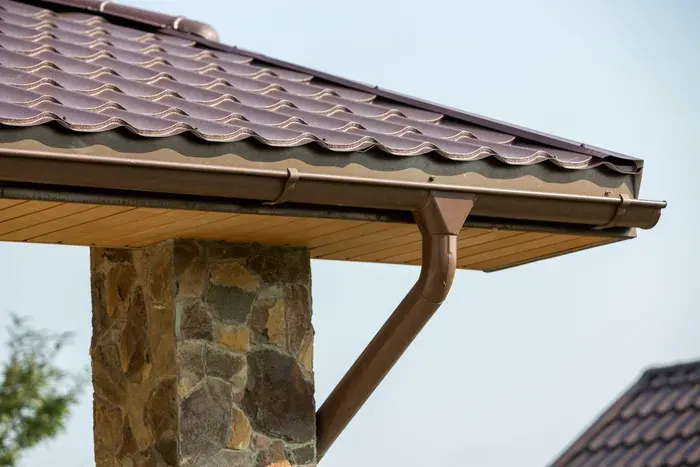
How often should you replace soffits and fascias?
Most timber soffits and fascias need replacing every 15 to 20 years if they have been painted and maintained, while uPVC boards fitted properly will usually last 25 years or more. Age alone is not the trigger, though. You replace them when the timber has gone soft, the boards have sagged, or water is getting behind them.
Ring 07428 300474 and we will come and check your fascias, soffits and gutter line for free, then put an honest fixed price in writing.
Quick Quote OnlineCall Now: 07428 300474Call Scott — 24/7 Emergency07428 300474
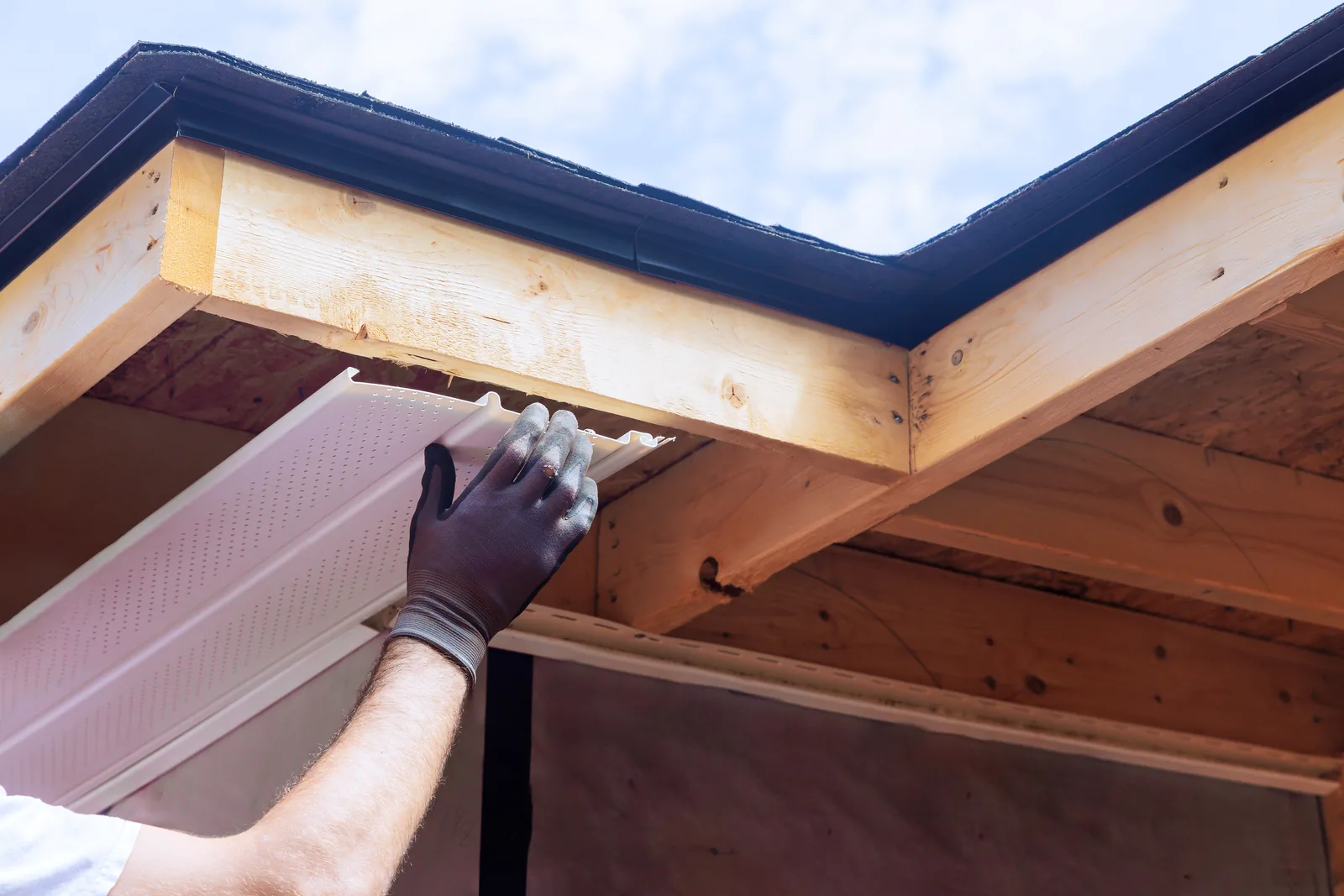
Timber and uPVC wear out on different clocks
Painted softwood is the material on most older properties across Surrey and the Wey Valley, and it behaves exactly as you would expect. Keep the paint film intact and the board is protected. Let the paint craze and lift, usually on the south and west elevations that take the weather, and moisture gets into the grain. From that point the countdown is short. Ten years of neglected timber can be worse than thirty years of timber that got a coat every five or six years.
uPVC is a different proposition. It does not rot and it does not need painting, so the failure mode is mechanical rather than biological. Boards go brittle with UV exposure, fixings work loose, joints open up and the white surface takes on a chalky grey cast that no amount of cleaning shifts. Twenty five years is a fair working life for a decent thickness board fitted with the right fixings at the right centres. Thin capping over rotten timber, which was a popular shortcut for a while, fails far sooner because the problem underneath never went away.
Cladding on gable ends and dormers sits somewhere between the two. It takes more direct weather than a soffit ever does, and it is usually the first part of the assembly to tell you something is wrong. Whether you need fascias, soffits & cladding or fascias, soffits & cladding services Guildford, we cover the whole area, and the honest answer on any of these boards is that we would rather look at the actual timber than quote you a number off a calendar.
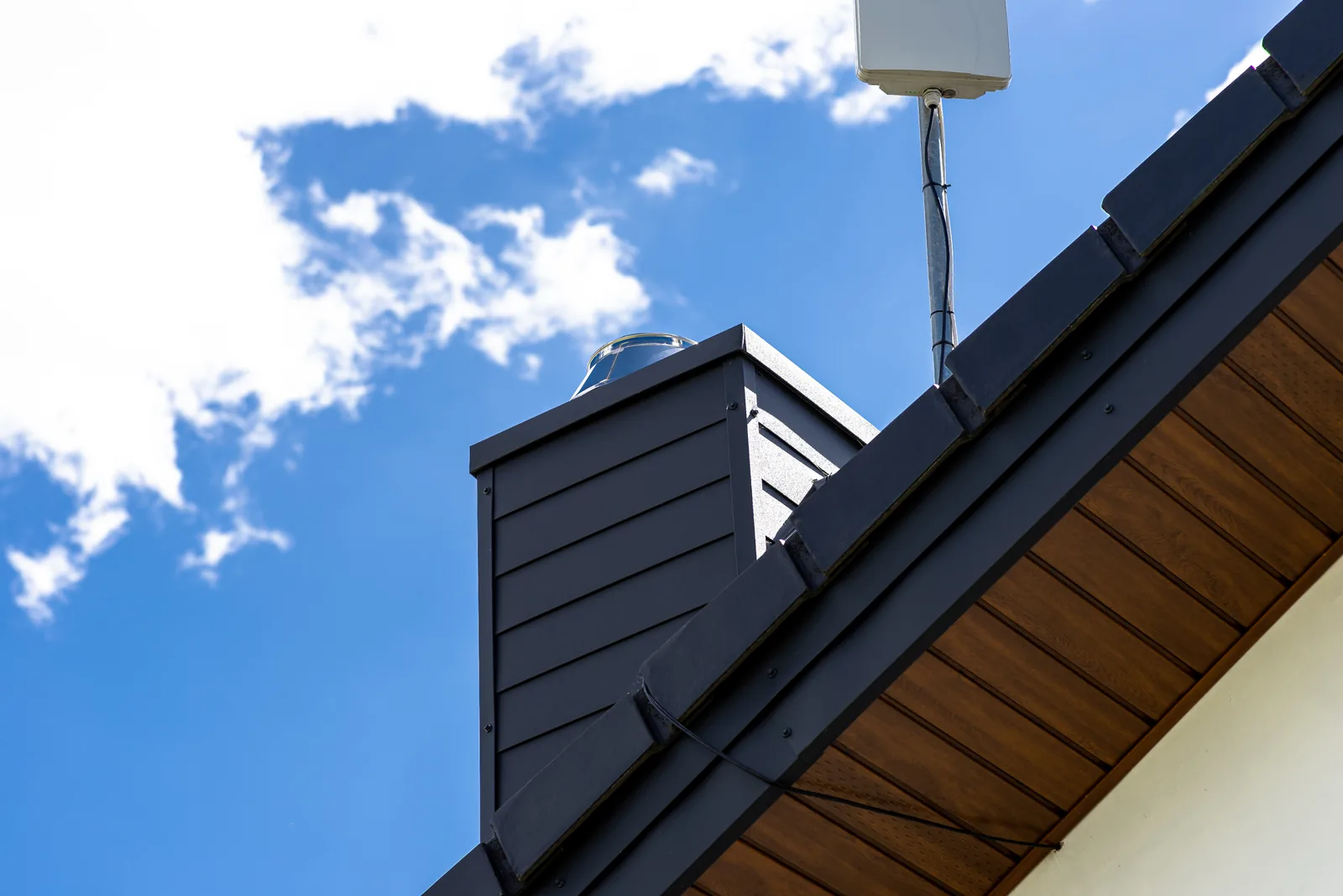
The signs that overrule the calendar
You do not need a survey to spot most of them. Walk the perimeter of the house on a dry day and look up. What you are after is anything that suggests the board is no longer doing its two jobs, which are holding the gutter line true and keeping water and wildlife out of the roof void.
- Soft or spongy timber. Press a screwdriver into the fascia behind the gutter. If it sinks in, the board has gone and paint will not bring it back.
- A sagging or uneven gutter run. Gutter brackets screw into the fascia. When the fascia softens, the brackets pull and the fall goes out, which then puts more water where you least want it.
- Flaking, blistering or bare patches of paint. On timber this is the start of the problem rather than a cosmetic issue.
- Green or black staining running down the boards. Usually a sign of a gutter overflowing behind the fascia rather than in front of it.
- Gaps at joints or at the ends of runs. Birds, squirrels and wasps find these long before you do.
- Perforated soffit vents blocked or missing. The roof void needs airflow, and blocked ventilation shows up later as damp in the loft.
Any two of those together usually means replacement rather than repair. One on its own, caught early, can often be sorted with a localised repair and a decent decoration. We will say which it is when we look. If a smaller repair will do the job, that is what goes in the quote.
The same team covers fascias, soffits & cladding in Woking.
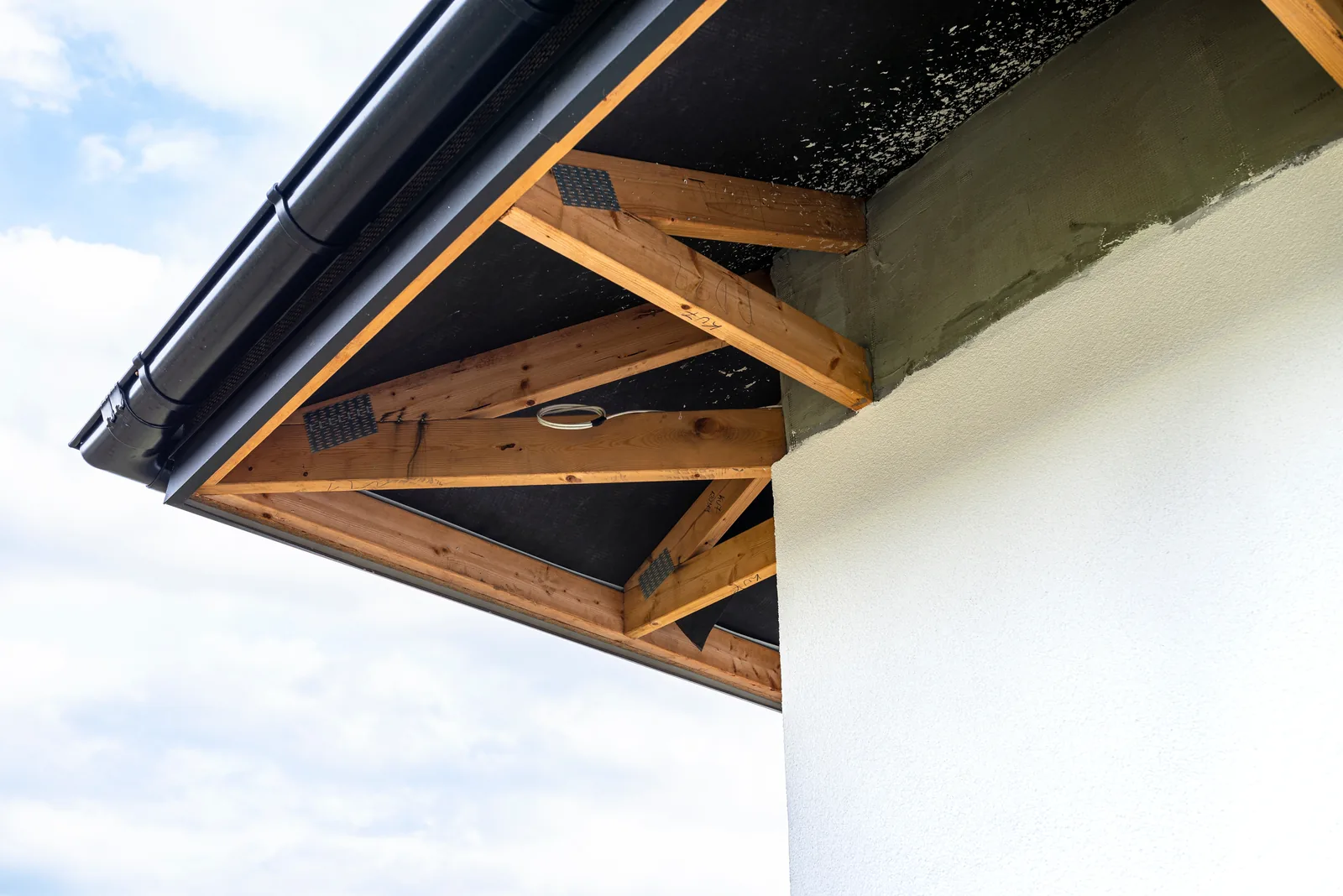
What shortens the life of a board
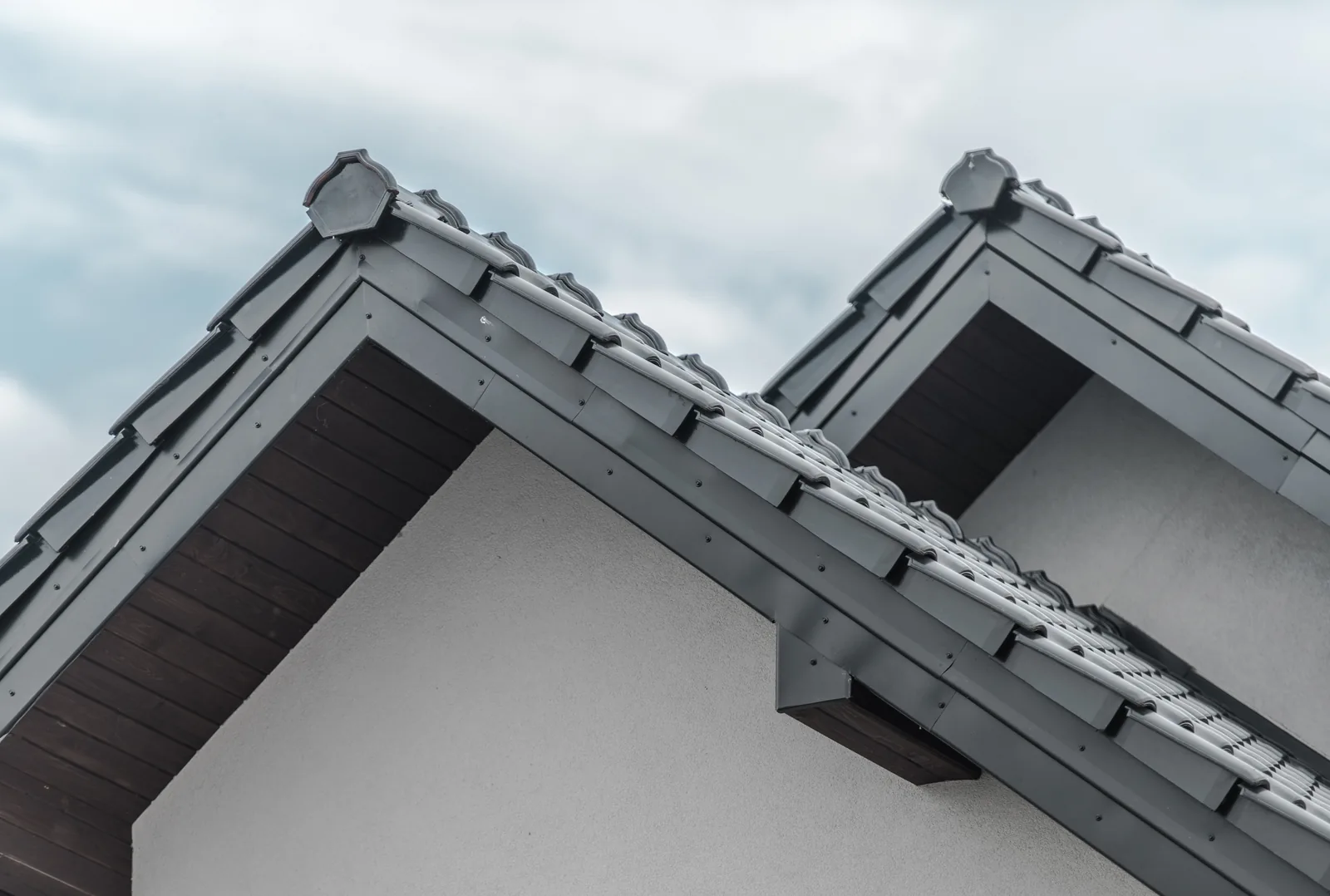
Fascias and soffits rarely fail on their own. Something else fails first and takes them with it, and if that something is not put right during the replacement, the new boards will follow the old ones down.
Guttering is the usual culprit. A blocked or badly falling gutter spills water down the face of the fascia and into the joint at the top of the board, which is the one place a paint film cannot protect. Sizing matters too, and rainwater goods on a re-roof should be worked out to BS EN 12056 rather than simply matched to whatever was there before. Undersized gutters on a large roof plane overflow every heavy autumn shower, and the boards behind them pay for it.
The second culprit is the roof edge itself. If the underfelt has perished at the eaves and no longer carries water into the gutter, that water runs behind the fascia instead. You can fit new boards over that and they will look perfect for three years and then start staining. An eaves tray or a felt support tray at the same time as the boards is the fix, and it costs very little while the scaffold or tower is already there.
The third is ventilation. Sealing a roof void up tight with solid soffits and no airflow causes condensation, and condensation rots the rafter feet the boards are fixed to. BS 5250 is the reference on that, and it is the reason we fit vented soffits or over-fascia ventilation rather than closing everything in. Whether you need fascias, soffits & cladding or fascias, soffits & cladding in Woking, we cover the whole area, and the ventilation detail gets the same attention on every one of them.
Doing it once and doing it properly
The right time to replace fascias and soffits is when the roof is already being worked on. If you are re-roofing, the eaves are open, access is already paid for and the new boards can be tied into the new felt and battens correctly. Doing it as a separate job later means paying for access twice and cutting into work that was only just finished.
When we replace, the old boards come off completely so the rafter feet can be seen. Anything soft gets cut back and spliced with new timber. Fixings go into sound wood at proper centres, not into the remains of the old board. Joints are made with trims rather than sealant doing structural work, and the gutter goes back on a line that actually falls. If you are looking for someone close to home in Surrey and the Wey Valley to take a proper look at your eaves, Scott will come out and tell you plainly whether the boards have a few more years in them.
Every job carries a 25 year written workmanship guarantee, handed over before the team leaves. That is a long time to stand behind an eaves detail, which is precisely why we would rather do the boards, the ventilation and the rainwater goods as one piece of work than patch one and hope the others behave.
Ring 07428 300474 and we will come and check your fascias, soffits and gutter line for free, then put an honest fixed price in writing.
Quick Quote OnlineCall Now: 07428 300474Call Scott — 24/7 Emergency07428 300474