
Insurers pay for chimneys that fail suddenly, not chimneys that have been quietly falling apart for years, and knowing which side of that line you are on saves a wasted claim.
In Short
- Storm, fire, lightning and impact damage to a stack is normally covered by buildings insurance.
- Repointing, flaunching and perished flashing that failed slowly count as maintenance, not an insured loss.
- A specific written report on what failed and why decides most borderline claims.
- A full or partial rebuild is structural work and may need building regulations approval.
Whether you need chimney work or chimney work in Godalming, we cover the whole area, with our own roofers, a real person on the phone and a 25-year written workmanship guarantee on every job.
Call 07428 300474 and Scott will tell you straight whether your chimney is a claim or a repair.
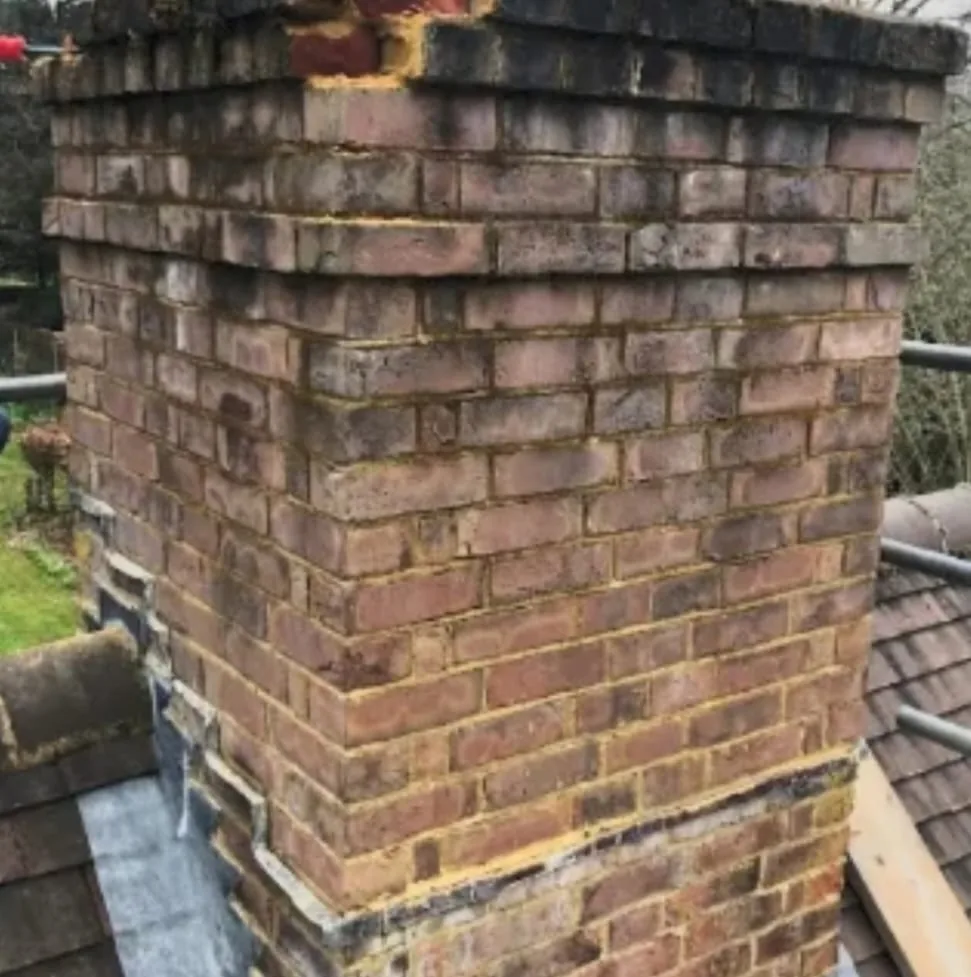
Does house insurance cover chimney repairs?
Sometimes. Buildings insurance usually covers chimney damage caused by a sudden event such as a storm, a lightning strike, a fire or an impact. It almost never covers gradual decay, so repointing, cracked flaunching and perished flashing that have failed slowly over years are treated as maintenance and paid for by the owner.
Call Wey Valley Roofing on 07428 300474 for a free chimney survey and a written report clear enough to put in front of your insurer.
Quick Quote OnlineCall Now: 07428 300474Call Scott — 24/7 Emergency07428 300474
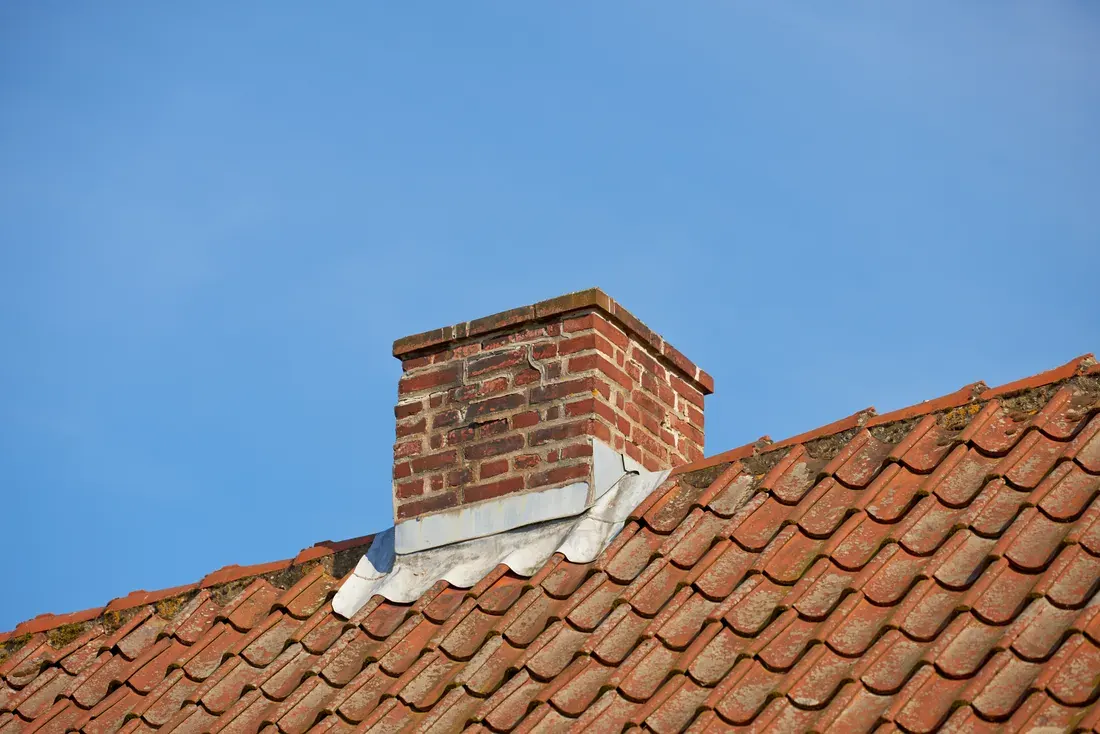
Storm damage and gradual wear are treated as two different things
Insurers draw one line above all others: was the damage sudden and accidental, or did it creep up over time. A chimney stack that has been leaning for a decade, with mortar joints washed hollow and a cracked flaunching letting water into the brickwork, has been failing slowly. That is wear and tear, and wear and tear is excluded from almost every buildings policy in the country.
A stack that came down in a named storm, or lost its pots when a tree limb hit it, is a different case. That is a single event with a date on it, and it is the sort of thing buildings cover exists for. The awkward middle ground is a stack that was already weak and then failed in high winds. An insurer may argue the wind only finished off something that was already past saving, and that argument is usually won or lost on the condition of the mortar and the brickwork before the storm.
The practical lesson is that keeping a chimney maintained protects the insurance as much as it protects the house. Whether you need chimney work or chimney work services Guildford, we cover the whole area, and the honest answer after a survey is sometimes that a repoint and a new flaunching now will save a rebuild and an argument later.
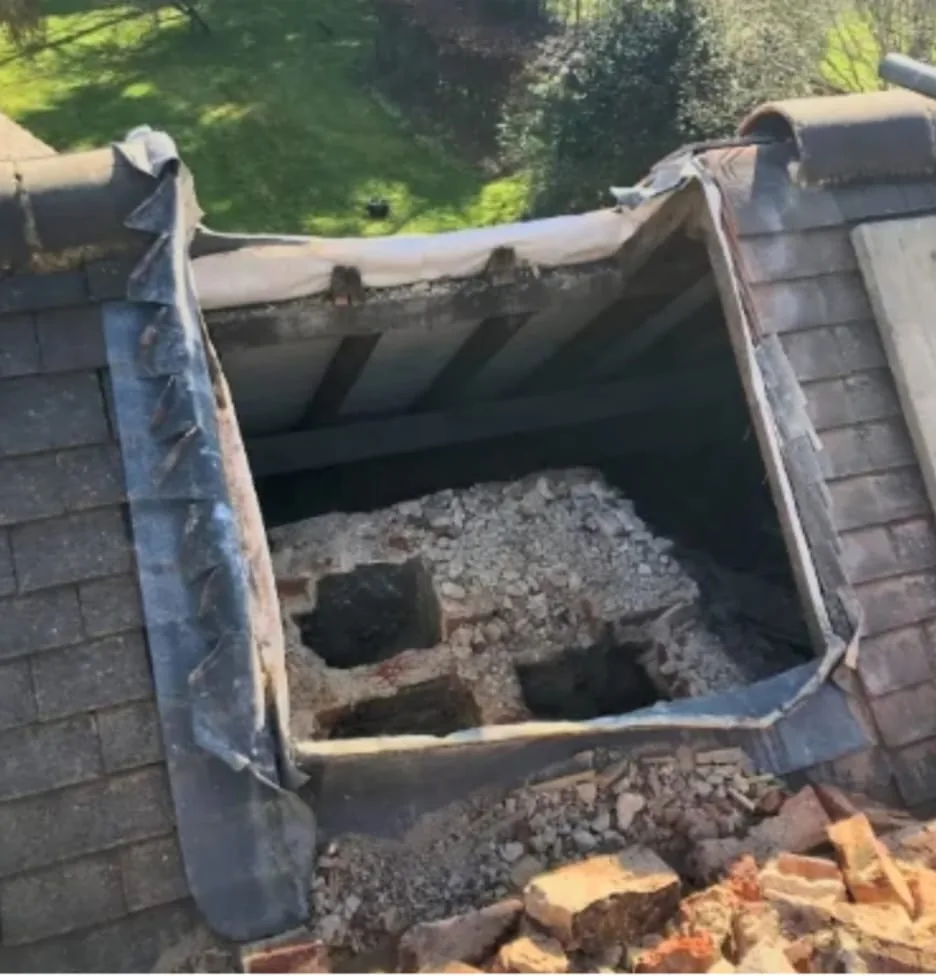
What buildings insurance usually pays for on a chimney
Buildings cover is for the structure, and a chimney stack is structure. Where a claim is accepted, the payout normally stretches further than most people expect, because the damage rarely stops at the brickwork.
- Rebuilding or making safe the stack after a storm, impact or fire has taken it down or made it unstable.
- The roof around it, where falling brick or pots have broken tiles, cracked a valley or holed a flat roof below.
- Flashing and leadwork disturbed by the same event, since a rebuilt stack needs its flashing renewed properly rather than patched back.
- Internal damage from water that came in through the opening, including ceilings, plaster and decoration.
- Debris clearance and temporary protection, such as sheeting or scaffolding to hold the roof watertight while the claim is settled.
What it will not pay for is the thing that was already wrong. If the flaunching had gone, the pots were loose and the mortar was soft, an insurer will fund the storm damage and leave the underlying condition with you. Whether you need chimney work or chimney work services Woking, we cover the whole area, and we will tell you plainly which parts of a job sit on the claim side of that line and which do not.
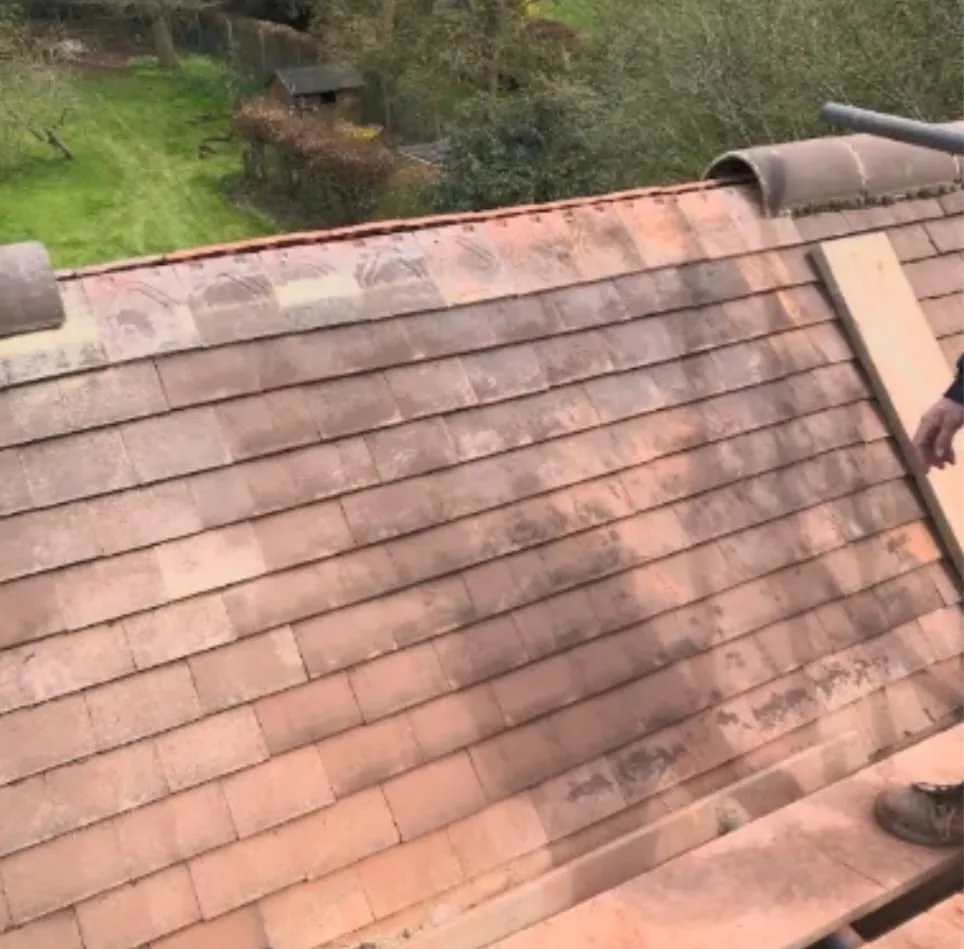
Getting the evidence right before you call the insurer
Claims are decided on evidence, and the evidence is easiest to gather in the first day or two. Photograph the stack from ground level and, where it is safe, from a window or an upper floor. Keep any pots, bricks or pieces of pot that came down, because they show how the failure happened. Note the date and, if there was a named storm, the name. Keep receipts for anything you buy to stop further damage, since most policies expect you to limit the loss and will reimburse reasonable spending on it.
An insurer will nearly always want a report from a roofer describing what failed and why. That report needs to be specific. Saying a stack is damaged tells nobody anything, and it invites a wear and tear refusal. Saying which courses have moved, how the flaunching and flashing failed, and what the wind did to a stack that was sound beforehand gives the loss adjuster something to work with. A drone view helps here, because it shows the top of the stack at close range without the cost of scaffolding just to look.
Our own approach to chimney work is to survey first, put the findings in writing, and quote a fixed price with no obligation. If the repair is small enough to do without a claim at all, we say so, because an accepted claim still costs you an excess and often a higher premium next year.
Call Wey Valley Roofing on 07428 300474 for a free chimney survey and a written report clear enough to put in front of your insurer.
Quick Quote OnlineCall Now: 07428 300474Call Scott — 24/7 Emergency07428 300474
When repairs need building control as well as an insurer
A claim settles the money. It does not settle whether the work is allowed to be done a particular way. Rebuilding a chimney stack is structural work, and there are points where it needs building regulations approval rather than just a roofer with a trowel. GOV.UK guidance on building regulations approval sets out when work of this kind needs to be notified, and it is worth checking before a full or partial rebuild starts rather than after.
Height matters. A stack rebuilt too tall in relation to its width is unstable in wind, and getting that ratio right is part of doing the job once. Fixings matter too. New tiles and flashing around a rebuilt stack are fixed to BS 5534 for wind uplift, and the leadwork follows Lead Sheet Association guidance on thickness, welt and clip spacing, because lead that is too thin or too long a piece will split and put you back where you started within a few winters.
Scott has spent more than 36 years on Surrey roofs, and the pattern he sees most often is a stack rebuilt cheaply after a storm, with the flashing dressed over the top of old lead and no thought given to the flaunching. Two or three years later the damp patch on the bedroom ceiling comes back, and this time no insurer will touch it because nothing sudden happened. Every job we do carries a 25-year written workmanship guarantee, handed over before the team leaves, which is our way of saying we would rather not be back for that reason.
Work across Surrey and the Wey Valley is done by our own roofers, and a real person answers the phone at any hour, including while you are still on hold to your insurer.
Call Wey Valley Roofing on 07428 300474 for a free chimney survey and a written report clear enough to put in front of your insurer.
Quick Quote OnlineCall Now: 07428 300474Call Scott — 24/7 Emergency07428 300474